
Since 1882
Preserving the Soul of
Kandyan Heritage
Set among the hills, Kandy, the ancient capital, is unrivaled in its sylvan beauty. But its greatest possession is a culture entirely Kandyan in character, surviving the vicissitudes of time.
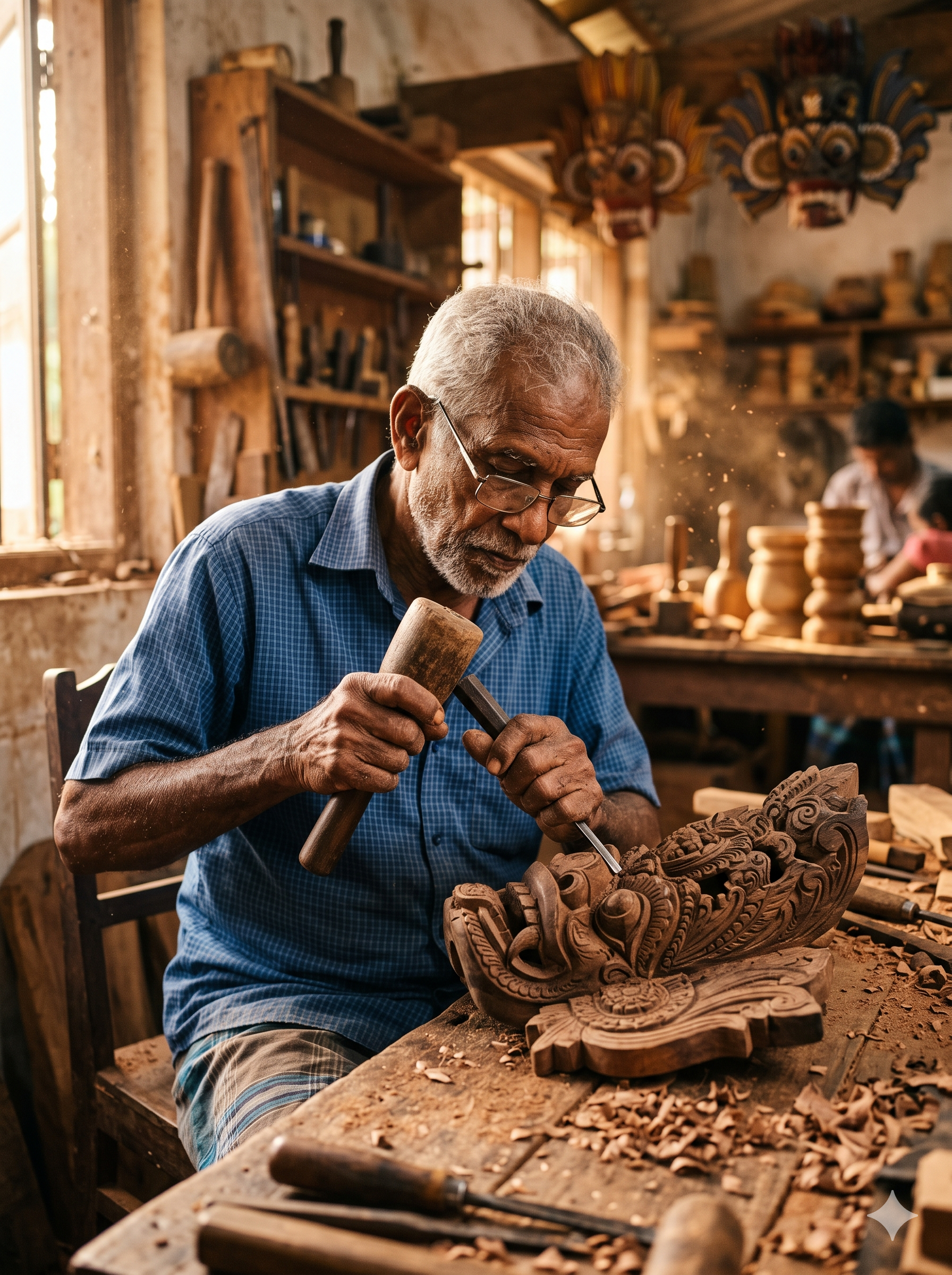
The Golden Era of Royal Guilds
During the time of the Sinhala kings, the artificer, the dancer, the weaver, and the wood carver were held in very high esteem. Art was an organized trade, with workmen formed into highly exclusive, hereditary guilds.
"No artificers ever changed their trade from generation to generation; but the son is the same as was his father and the daughter marries only to those of the same craft."
— Robert Knox
The most skilled craftsmen were employed permanently in the royal household, holding land from the King and receiving special gifts, such as cattle, for work well done, rather than a daily wage.
The Decline &
The Renaissance
With the British conquest, the corporations of artificers lost their compact nature. The new masters had no care for the traditions of an art they could not understand, and the introduction of Western patterns degraded Eastern art. By the late 19th century, only a few individual workers remained, hidden in the Kandyan provinces.
Witnessing this destruction—where beautiful 17th and 18th-century architecture was decaying or being ruined by incompetent, rainbow-colored restorations—scholars like Ananda Coomaraswamy pleaded with Kandyan Chiefs to preserve these priceless historical documents.
The Birth of the Association (1882)
To revive these dying crafts, the Kandyan Art Association was formally organized in 1882 by Sir J.F. Dickson, Government Agent of the Central Province. Initially, it was a society where subscribers paid to employ the best workmen, distributing the pure Kandyan articles by lot.
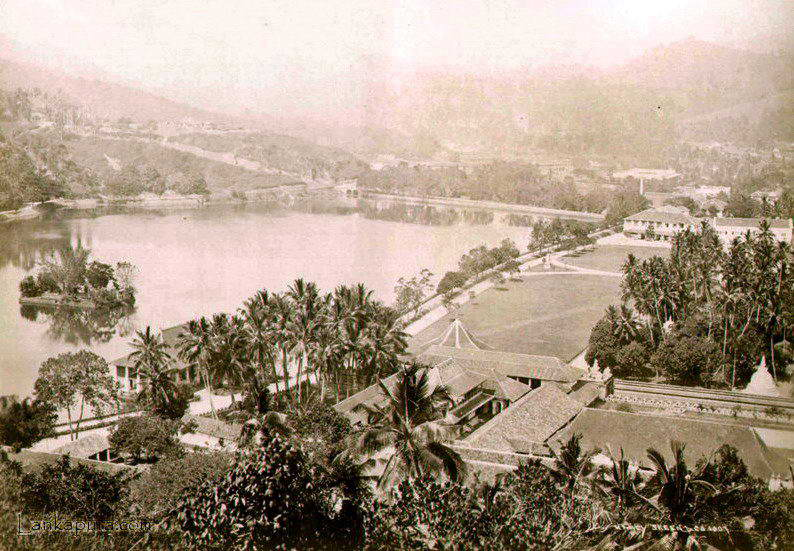
A Century of Safe Havens
Tracing the physical roots of our association.
The Kandy Kachcheri
Work was centered at the Kandy Kachcheri and a room under the United Services Library.
Palle Vahala
Moved to an 18th-century Kandyan building, reported to be the former quarters of the ladies of the Royal Household.
72, Sangharaja Mawatha
Incorporated as a Trust in 1919, the association moved to its permanent home in 1924. This building was used as a military hospital during British administration.
The Centenary Expansion
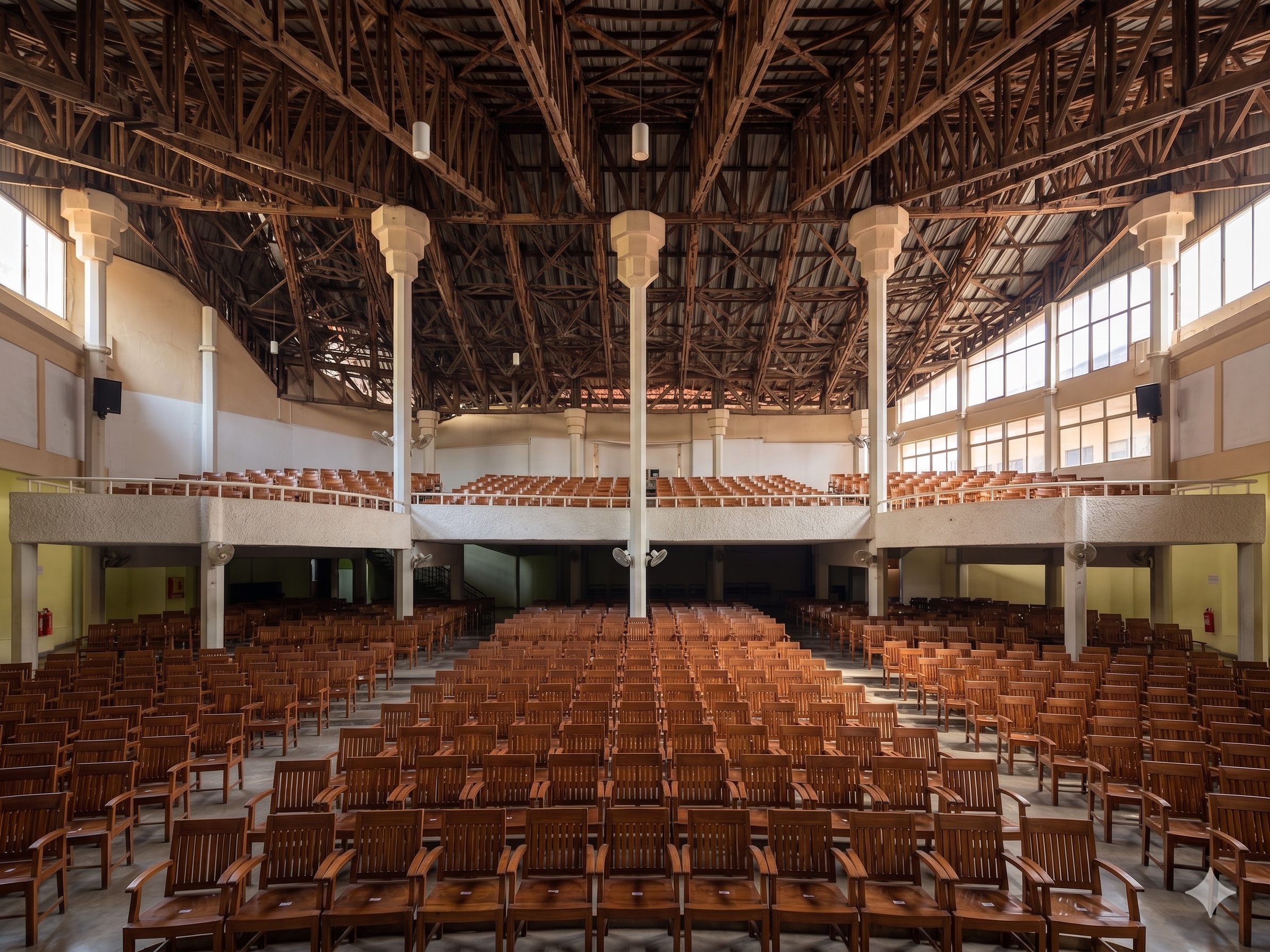
Under the vision of A.B. Damunupola (Gov. Agent 1977-1986), the association underwent a massive expansion. To mark its official centenary, the 1000-seat Kandyan Cultural Centre was opened in 1984 by H.E. President J.R. Jayewardene.
Architect Minnette de Silva designed the complex to reflect true Kandyan philosophy. The 'Nrutiya Mandapa' (auditorium) features a 'Kamatha' (threshing floor) style stage integrated into the natural landscape. Eschewing modern glass and concrete, the design relies heavily on traditional flat Kandyan roofing tiles, perfectly harmonizing with the Cultural Triangle.
Empowering Today's Master Craftsmen
Today, our membership comprises over 200 craftsmen from traditional Kandyan families. We no longer just preserve art; we protect the artists.
EPF & Welfare Fund
A massive 15% of sales (9% from the association, 6% from the member) is deposited directly into a protective welfare fund.
Retirement Pensions
Initiated in 2017 by H.M.P. Hitisekera, craftsmen over the age of 60 receive a dedicated retirement pension.
Healthcare & Grants
We provide financial assistance for eyeglasses and a Rs. 5000 donation to families in the event of a member's passing.
Fair Trade Markets
We act as the medium between the purchaser and producer, guaranteeing authentic wares while ensuring highly remunerative markets for artisans.
Experience the Legacy
The affairs of the Trust are securely managed by a Committee of Management, presided over by the Government Agent of the Kandy District. We invite you to witness our veteran craftsmen at work.
Open Monday to Saturday: 9:00 AM - 5:00 PM
(Closed on Poya & Public Holidays)